Welcome! Get Connected with Milton, Alpharetta, & Roswell's Ultimate Resource.
Get to know the top businesses serving Milton, Alpharetta, & Roswell.
Our trusted Multi-Media Neighborhood Network and Monthly Publications have been bringing Neighbors & Local Businesses together since 2015.
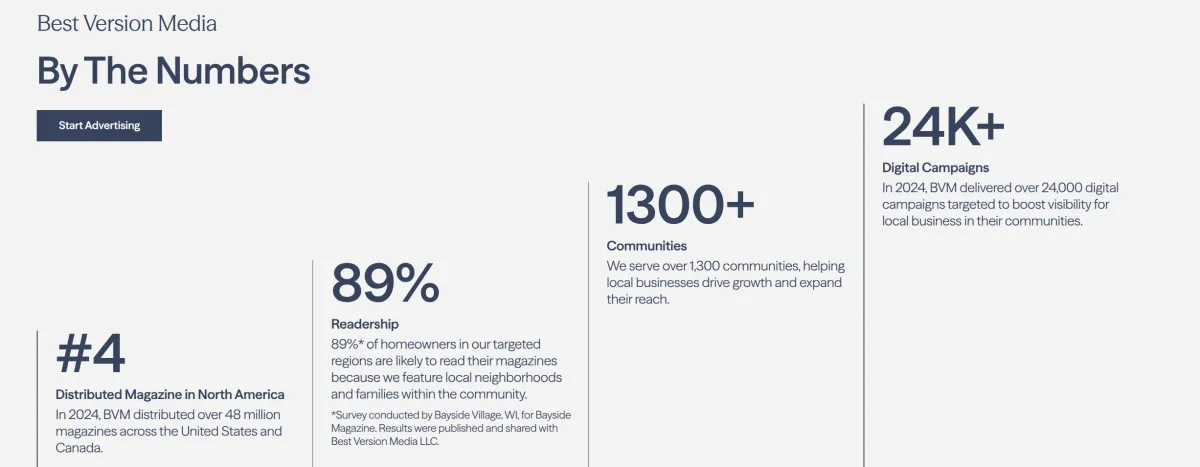
Powered by Best Version Media, our publications help local businesses increase visibility through a fully integrated approach by combining high-impact print, geo-targeted digital ads, and online presence management.
These tools work together to consistently position your brand across print, social, and search.
Our magazines are mailed directly to targeted neighborhoods, digital campaigns reach local audiences online, and our dashboard manages listings and reviews. This marketing mix is designed to maximize your impact in the community.
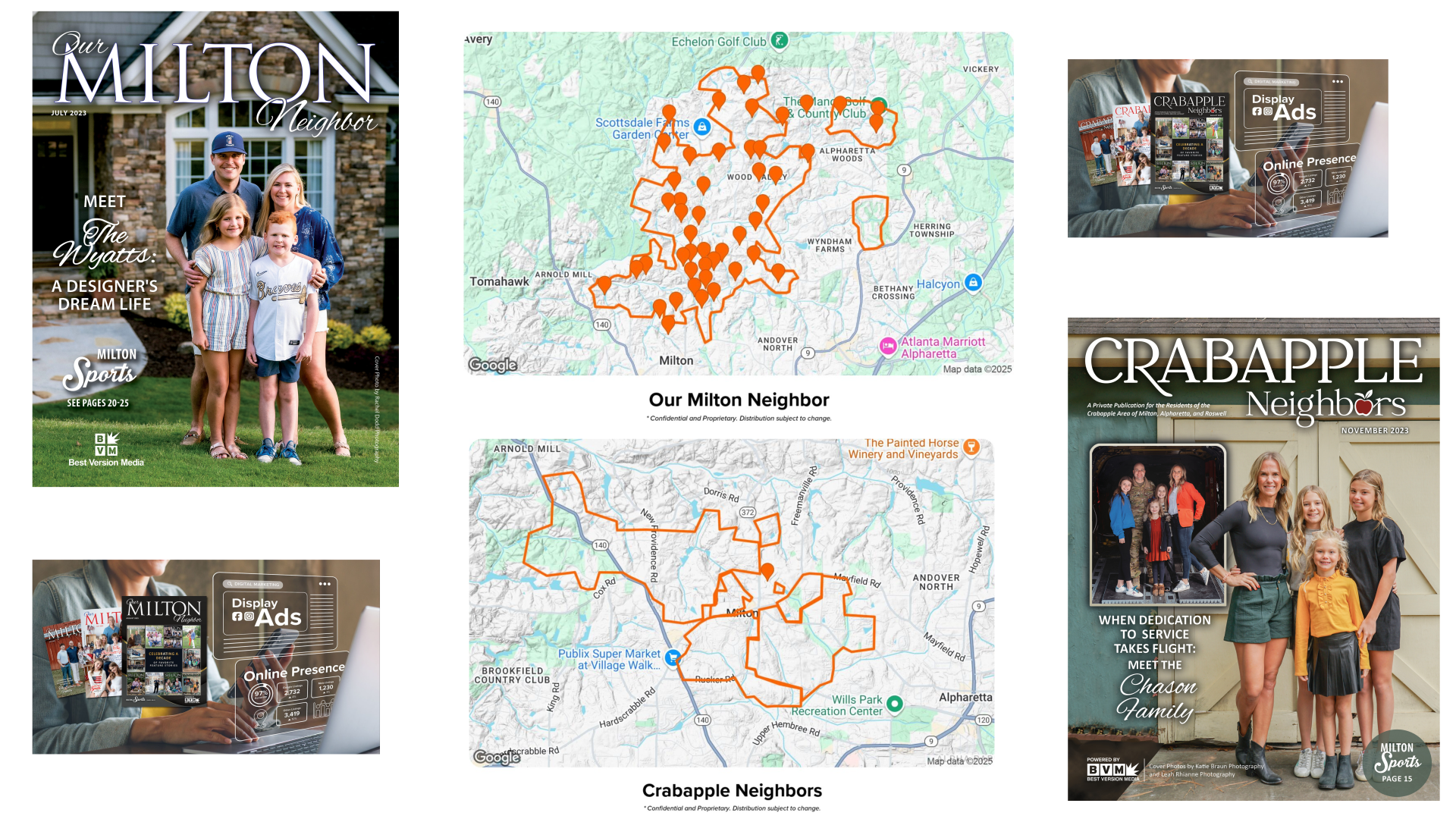
Click the image below to download a PDF detailing the 116+ neighborhoods we mail to on a monthly basis, including The Manor, White Columns, Crooked Creek, Atlanta National, Triple Crown, and many more!!
Celebrating The Best Of Milton, Alpharetta, & Roswell
In addition to our engaging community content, every month, we share stories about amazing businesses in the Milton, Alpharetta, & Roswell area.
See below for a few of our recent favorites.
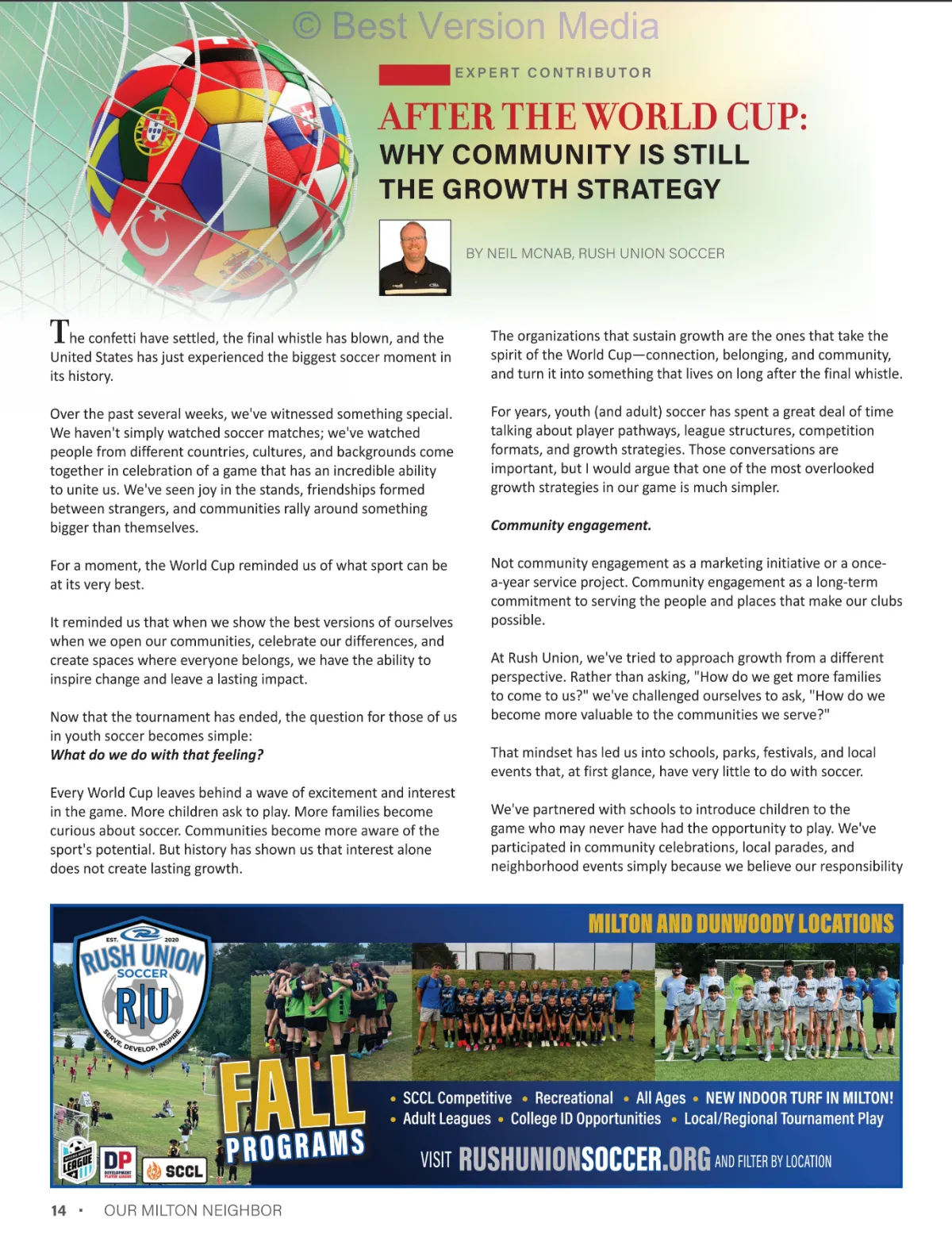
After the World Cup: Why Community Is Still the Growth Strategy
After the World Cup: Why Community Is Still the Growth Strategy
By: Neil McNab
The confetti have settled, the final whistle has blown, and the United States has just experienced the biggest soccer moment in its history.
Over the past several weeks, we’ve witnessed something special. We haven’t simply watched soccer matches; we’ve watched people from different countries, cultures, and backgrounds come together in celebration of a game that has an incredible ability to unite us. We’ve seen joy in the stands, friendships formed between strangers, and communities rally around something bigger than themselves.
For a moment, the World Cup reminded us of what sport can be at its very best.
It reminded us that when we show the best versions of ourselves when we open our communities, celebrate our differences, and create spaces where everyone belongs, we have the ability to inspire change and leave a lasting impact.
Now that the tournament has ended, the question for those of us in youth soccer becomes simple:
What do we do with that feeling?
Every World Cup leaves behind a wave of excitement and interest in the game. More children ask to play. More families become curious about soccer. Communities become more aware of the sport’s potential. But history has shown us that interest alone does not create lasting growth.
The organizations that sustain growth are the ones that take the spirit of the World Cup; connection, belonging, and community, and turn it into something that lives on long after the final whistle.
For years, youth (and adult) soccer has spent a great deal of time talking about player pathways, league structures, competition formats, and growth strategies. Those conversations are important, but I would argue that one of the most overlooked growth strategies in our game is much simpler.
Community engagement.
Not community engagement as a marketing initiative or a once-a-year service project. Community engagement as a long-term commitment to serving the people and places that make our clubs possible.
At Rush Union, we’ve tried to approach growth from a different perspective. Rather than asking, “How do we get more families to come to us?” we’ve challenged ourselves to ask, “How do we become more valuable to the communities we serve?”
That mindset has led us into schools, parks, festivals, and local events that, at first glance, have very little to do with soccer.
We’ve partnered with schools to introduce children to the game who may never have had the opportunity to play. We’ve participated in community celebrations, local parades, and neighborhood events simply because we believe our responsibility extends beyond the touchline. We’ve also partnered with initiatives like Get on The Bus, Just Ball, and Soccer for All because we believe soccer can be a vehicle for something much bigger than player development. These initiatives are about access, opportunity, and ensuring that every child regardless of their background or circumstance has the opportunity to experience the game.
None of those initiatives began with a player acquisition strategy.
They began with a community strategy.
And the interesting thing about serving your community is that growth often follows.
Families want to belong to something bigger than a soccer program. They want to know that the organization investing in their child is also investing in their neighborhood, their schools, and their community. Trust is built when people consistently see an organization showing up, even when there isn’t an immediate return on investment.
The clubs that are poised to benefit from this World Cup moment are not simply the clubs that launch the biggest marketing campaigns over the next few months. They are the clubs that have already spent years building trust and relationships within their communities.
As the excitement surrounding the World Cup begins to fade, I hope our game doesn’t simply ask how many new players registered this fall. I hope we ask bigger questions.
How many new communities did we reach?
How many barriers did we remove?
How many new partnerships did we create?
How many children experienced soccer for the very first time?
Because if our answer to the World Cup is simply to capitalize on a temporary spike in interest, we will have missed a tremendous opportunity.
But if we use this moment to deepen our roots within our communities, create access for more children, and position our clubs as true community partners, then the legacy of this World Cup could extend far beyond a single summer.
The next decade of growth in American soccer will not be determined solely by what happened inside the stadiums this summer.
It will be determined by what happens in our schools, our parks, and our neighborhoods after the world has gone home.
Community engagement isn’t something we do in addition to growing the game.
It may very well be the growth strategy itself.
Follow: @rushunion


Good Neighbor Podcast Milton & More
Positive influencers with an emphasis on education and community engagement.
As producers of Good Neighbor Podcast, we seek out businesses that appeal to our audience of good people in good neighborhoods with good money to spend on quality services and products. If you’re a business owner in or around Crabapple or Milton chances are good you have a compelling story to share. If we haven’t reached you yet, please give us a call. We’d love to broadcast you and your services.
After the World Cup: Why Community Is Still the Growth Strategy
After the World Cup: Why Community Is Still the Growth Strategy
By: Neil McNab
The confetti have settled, the final whistle has blown, and the United States has just experienced the biggest soccer moment in its history.
Over the past several weeks, we’ve witnessed something special. We haven’t simply watched soccer matches; we’ve watched people from different countries, cultures, and backgrounds come together in celebration of a game that has an incredible ability to unite us. We’ve seen joy in the stands, friendships formed between strangers, and communities rally around something bigger than themselves.
For a moment, the World Cup reminded us of what sport can be at its very best.
It reminded us that when we show the best versions of ourselves when we open our communities, celebrate our differences, and create spaces where everyone belongs, we have the ability to inspire change and leave a lasting impact.
Now that the tournament has ended, the question for those of us in youth soccer becomes simple:
What do we do with that feeling?
Every World Cup leaves behind a wave of excitement and interest in the game. More children ask to play. More families become curious about soccer. Communities become more aware of the sport’s potential. But history has shown us that interest alone does not create lasting growth.
The organizations that sustain growth are the ones that take the spirit of the World Cup; connection, belonging, and community, and turn it into something that lives on long after the final whistle.
For years, youth (and adult) soccer has spent a great deal of time talking about player pathways, league structures, competition formats, and growth strategies. Those conversations are important, but I would argue that one of the most overlooked growth strategies in our game is much simpler.
Community engagement.
Not community engagement as a marketing initiative or a once-a-year service project. Community engagement as a long-term commitment to serving the people and places that make our clubs possible.
At Rush Union, we’ve tried to approach growth from a different perspective. Rather than asking, “How do we get more families to come to us?” we’ve challenged ourselves to ask, “How do we become more valuable to the communities we serve?”
That mindset has led us into schools, parks, festivals, and local events that, at first glance, have very little to do with soccer.
We’ve partnered with schools to introduce children to the game who may never have had the opportunity to play. We’ve participated in community celebrations, local parades, and neighborhood events simply because we believe our responsibility extends beyond the touchline. We’ve also partnered with initiatives like Get on The Bus, Just Ball, and Soccer for All because we believe soccer can be a vehicle for something much bigger than player development. These initiatives are about access, opportunity, and ensuring that every child regardless of their background or circumstance has the opportunity to experience the game.
None of those initiatives began with a player acquisition strategy.
They began with a community strategy.
And the interesting thing about serving your community is that growth often follows.
Families want to belong to something bigger than a soccer program. They want to know that the organization investing in their child is also investing in their neighborhood, their schools, and their community. Trust is built when people consistently see an organization showing up, even when there isn’t an immediate return on investment.
The clubs that are poised to benefit from this World Cup moment are not simply the clubs that launch the biggest marketing campaigns over the next few months. They are the clubs that have already spent years building trust and relationships within their communities.
As the excitement surrounding the World Cup begins to fade, I hope our game doesn’t simply ask how many new players registered this fall. I hope we ask bigger questions.
How many new communities did we reach?
How many barriers did we remove?
How many new partnerships did we create?
How many children experienced soccer for the very first time?
Because if our answer to the World Cup is simply to capitalize on a temporary spike in interest, we will have missed a tremendous opportunity.
But if we use this moment to deepen our roots within our communities, create access for more children, and position our clubs as true community partners, then the legacy of this World Cup could extend far beyond a single summer.
The next decade of growth in American soccer will not be determined solely by what happened inside the stadiums this summer.
It will be determined by what happens in our schools, our parks, and our neighborhoods after the world has gone home.
Community engagement isn’t something we do in addition to growing the game.
It may very well be the growth strategy itself.
Follow: @rushunion
Meet Your Publisher
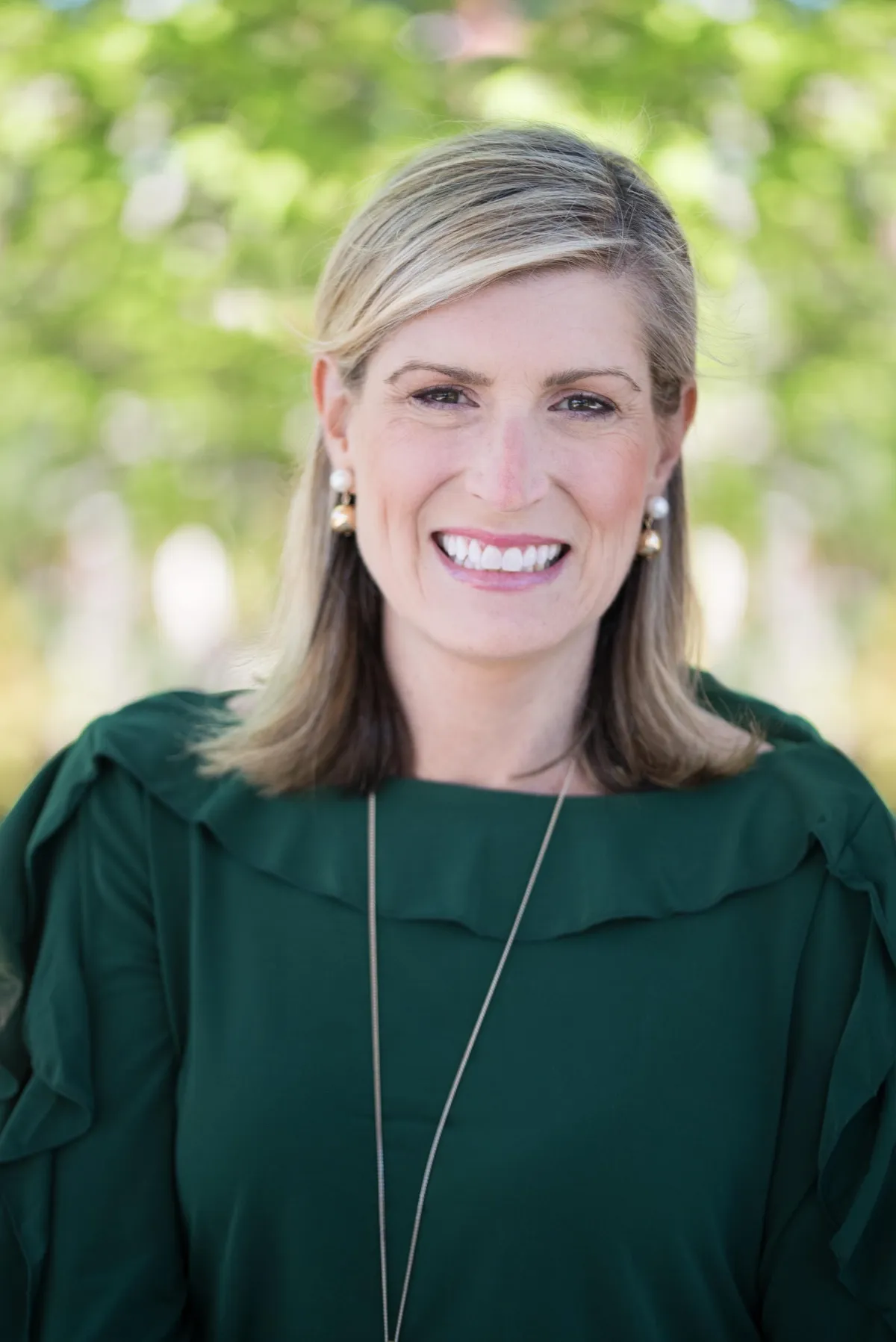
Stacey Poehler
Stacey’s passion has always been in creating connections. Whether it be connecting two like-minded individuals, connecting a person to a product or service, or connecting businesses to the local community, she has always put an emphasis on how her work can help others.
Working with local businesses to problem solve and grow their brands and customer base through custom solutions and content marketing, Stacey brings a wealth of experience from her previous work in higher education marketing and branding. Past Georgia clients include the Terry College of Business at UGA, Georgia State College, Spelman, and others.
Stacey resides in Milton, GA with her husband, three children, and three rescued pups. She is a past president of the Crabapple Crossing Elementary School PTO, a member of the Milton chapter of the National Charity League, an elected parent representative on the Milton High School School Governance Council, and an avid tennis player. She loves being part of the Milton and Crabapple communities and can't think of a job better suited for her talents and interests.


Facebook
Instagram
Facebook
Instagram